Open 24/7, Monday to Sunday | Serving Seattle since 2016(360) 934-2929
Phoebe Dumpster RentalDumpster Rental Seattle, WA
Dumpster Rental Seattle, WA

Local debris service

Dumpster Rental Seattle, WA

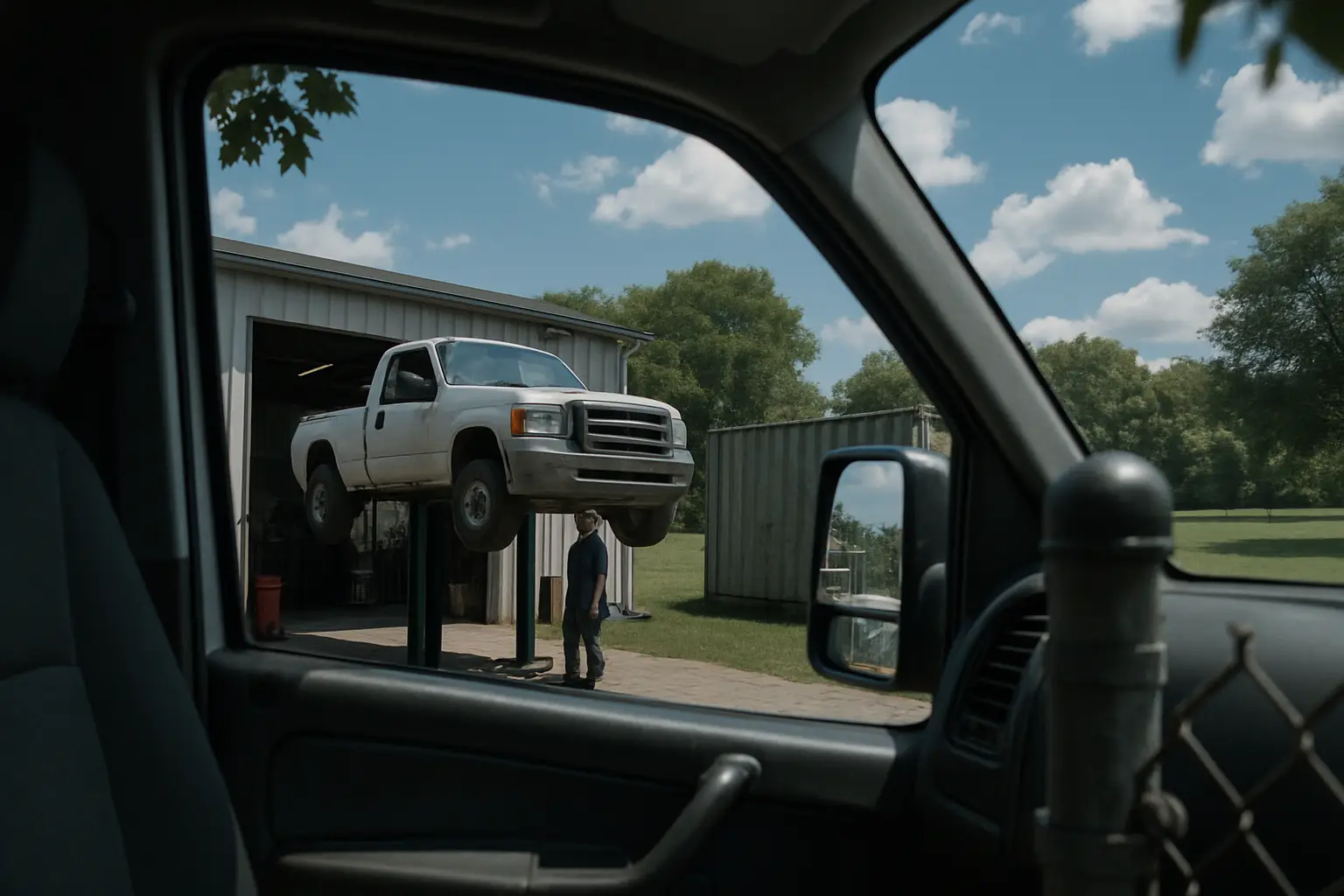
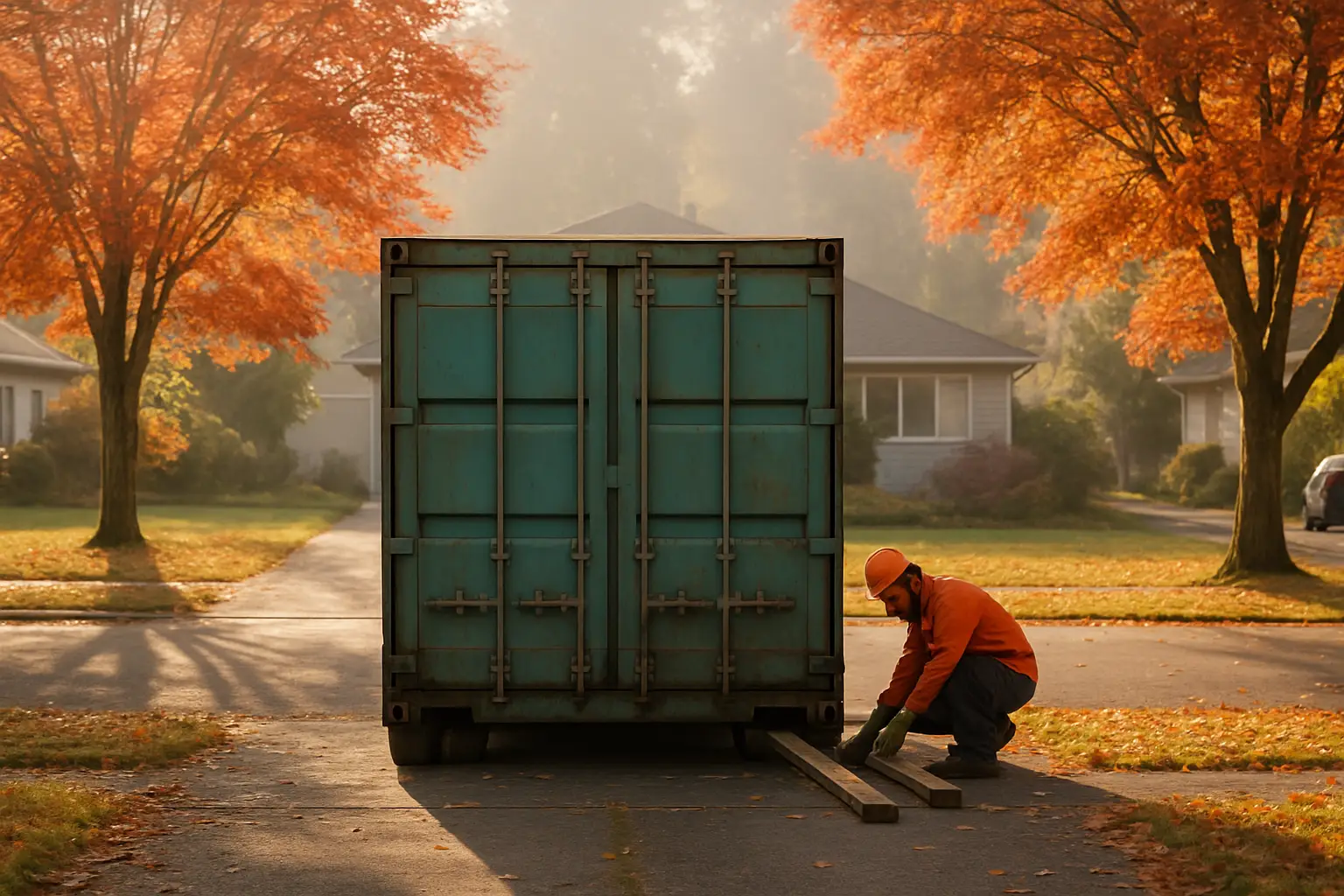
Phoebe Dumpster Rental confirms driveway access before delivery, with placement details documented for the crew and property owner.

Dumpster Rental Seattle, WA gives homeowners, contractors, landlords, and businesses a practical way to contain debris without guessing where a truck can safely work. Phoebe Dumpster Rental helps choose the right capacity, checks the delivery path, and coordinates placement for projects across Seattle. Service is available 24/7, Monday to Sunday.

  • Licensed, bonded and insured
  • Serving since 2016
  • 3369 containers delivered
  • Open 24/7, Monday to Sunday
  • Serving King County

Seattle service

A practical way to manage project debris

Phoebe Dumpster Rental has served the Seattle area since 2016 with straightforward container delivery for residential, commercial, and construction work. The job starts with the material, not a sales script. Household contents, roofing tear-off, soil, concrete, appliances, and mixed renovation debris do not behave the same way in a container, so we discuss weight and volume before assigning equipment. That can mean recommending a smaller container for a bathroom cleanup or steering a customer away from an overloaded option that would create trouble at pickup. Our team is licensed, bonded and insured, and works 24/7, Monday to Sunday.

Seattle properties make placement part of the service. Narrow side streets, steep residential grades, alley access, parked cars, overhead branches, soft verges, and shared driveways can all affect delivery. Before the truck arrives, Phoebe Dumpster Rental checks the route and intended setting so the crew knows whether the container can be placed without blocking a neighbor, damaging pavement, or forcing an unsafe turn. We serve homeowners, remodelers, roofers, property managers, and commercial crews throughout the city. Have the address, material type, approximate project scope, and preferred placement area ready when you call.
Project options

Seattle dumpsters matched to the work

A container is useful only when its size, weight limits, and position match the debris being created. These common project types help narrow the conversation before delivery.

  • Household Cleanout Dumpsters

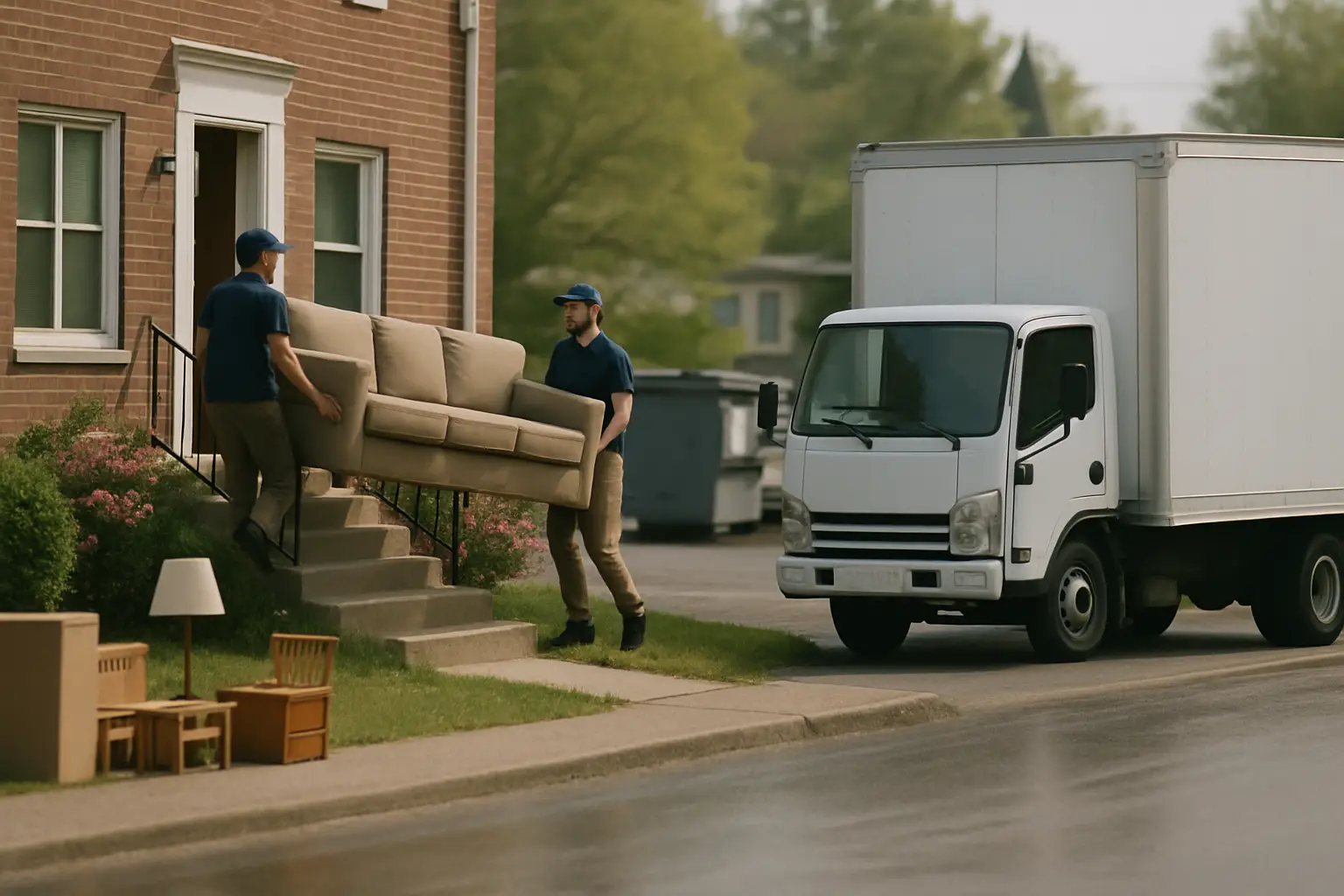
    Use a household cleanout container for move-outs, inherited belongings, garage clearing, or a landlord turnover. Tell us whether the load is mostly furniture, bagged contents, appliances, or dense material. That distinction affects both capacity and safe loading.

    Home clearing
  • Home Renovation Dumpsters

    Kitchen, bath, flooring, drywall, cabinetry, and fixture removal usually create uneven debris over several workdays. A renovation container keeps the work area usable while giving the crew one controlled place for tear-out material and packaging.

    Remodel debris
  • Roofing Debris Dumpsters

    Roofing shingles are heavy and compact quickly, so a large-looking container is not automatically the best choice. Estimate the roof area, identify layers being removed, and keep tear-off separated from prohibited materials before loading.

    Roofing work
  • Yard Waste Dumpsters

    Seattle yard projects may involve branches, sod, brush, soil, and wet green waste. Those materials carry different weights and may require separate handling. Describe the mix and access conditions so the container suits the cleanup rather than simply taking the most space.

    Outdoor cleanup
  • Moving and Estate Dumpsters

    Moving and estate work often combines furniture, clothing, boxes, shelving, and miscellaneous household contents. Sorting reusable items first leaves more room for disposal and can prevent dense furniture from being loaded in a way that makes pickup difficult.

    Move-out work
  • Same-Day Dumpster Delivery

    Some projects lose a day because debris has nowhere to go. Same-day delivery depends on equipment, route, placement, and current scheduling conditions, so share the address and job details early. We will explain what can actually be arranged.

    Schedule dependent
  • Concrete and Heavy Debris Dumpsters

    Concrete, brick, asphalt, tile, dirt, and stone can exceed weight limits long before a container looks full. These loads require a careful material description and conservative sizing. For a small amount of dense debris, a smaller option may be the safer choice.

    Dense materials
  • Commercial Construction Dumpsters

    Commercial work needs predictable access, clear placement, and loading practices that do not interfere with workers or customers. We discuss the site entrance, surface, delivery restrictions, debris stream, and pickup coordination before assigning a container.

    Jobsite service
  • Recurring Jobsite Dumpster Service

    Recurring projects benefit from planned exchanges and consistent communication about changing debris volume. Share the project phase, expected material, and access limitations. We can help build a practical schedule without pretending every site produces the same load.

    Ongoing projects

Additional help

Other ways Phoebe Dumpster Rental can help

How it works

Seattle delivery starts with the details

  1. Describe the project

    Tell us the address, material, approximate amount, loading method, and preferred placement. A bathroom tear-out, roof replacement, and estate cleanout need different advice, even when the customer describes each as simply debris.

  2. Review size and weight

    We compare the material with available container capacities and explain when weight matters more than volume. Dense debris may require a smaller load, while bulky household contents may need more room but less weight capacity.

  3. Confirm the setting

    The delivery route, driveway width, overhead clearance, turning space, grade, and surface condition all matter. Pre-delivery driveway checks confirm container access and placement before the truck is dispatched to the property.

  4. Prepare the area

    Clear vehicles, branches, gates, toys, and loose obstacles from the approach. Protect private surfaces as appropriate, and tell us about slopes, shared access, alley restrictions, or public-street placement before delivery day.

  5. Load and coordinate pickup

    Keep debris inside the container walls, distribute heavy material evenly, and do not mix prohibited items without checking first. When the project is ready, share the pickup details and any access changes affecting the truck.

Why local details matter

Good placement prevents avoidable problems

  1. The route gets checked first

    Seattle delivery routes can change quickly around parked vehicles, construction activity, narrow lanes, and steep residential approaches. We discuss the actual entrance and intended setting rather than treating every driveway as interchangeable. That helps identify clearance problems before equipment is loaded and sent out.

  2. The load is judged by material

    A container filled with cardboard behaves differently from one filled with concrete, roofing, or wet soil. We ask what is going inside, because weight can become the limiting factor before the container reaches its visible capacity. Honest guidance can save money when a smaller option fits.

  3. Scheduling stays grounded

    Phoebe Dumpster Rental works 24/7, Monday to Sunday, but availability still depends on equipment, route conditions, and the information provided. We will not promise an arrival time that the site cannot support. Give us the project facts, and we can explain the realistic next step.

Service standards

What to expect from the crew

  • Every delivery begins with a review of access, placement, and the material being loaded.
  • Customers receive practical size guidance based on volume, density, and project conditions.
  • Drivers need a clear route with enough width, height, and turning room.
  • Heavy debris must be described before delivery so loading limits remain realistic.
  • Containers should sit on stable ground away from unsafe edges and obstructions.
  • Seattle streets and shared access areas may require permission before equipment is placed.
  • Loading stays below the top edge and remains distributed across the container floor.
  • Pickup planning accounts for parked vehicles, gates, changing access, and active work areas.

Placement planning

Where a Seattle container can safely sit

A private driveway is usually the simplest placement, but Seattle driveways vary widely. Older homes may have narrow approaches, steep grades, retaining walls, or garages positioned close to the street. Newer townhome developments may use shared lanes where a truck cannot stop without affecting several households. The driver needs a reasonably firm surface, adequate width, overhead clearance, and enough room to enter and leave without scraping branches, walls, parked cars, or utility features. Alley delivery can work only when the alley, gate, and turning conditions support the equipment. A container on a public street usually needs city permission first. Tell us the exact location and we will explain what placement conditions apply.

Before delivery, move personal vehicles and low branches from the route, unlock gates, and keep children and pets away from the work area. Do not assume a patch of grass is suitable because Seattle’s wet seasons can soften ground and allow heavy equipment to settle. Sloped pavement, storm drains, sidewalk approaches, and curb lines also deserve attention. If the container must sit near a property line, shared driveway, or public right of way, discuss that before scheduling. The truck operator still has to reject a location that cannot be reached or safely loaded, even when it is the customer’s preferred spot. A clear address, photos described over the phone, and accurate access information make the placement decision more useful.

Material choices

Seattle homes can change the size decision

Seattle’s housing stock ranges from older craftsman and bungalow homes to mid-century houses, apartment buildings, townhomes, and active commercial properties. A small bathroom update in an older house may produce plaster, lath, tile, fixtures, and cabinetry, not merely a few bags of debris. A kitchen renovation adds dense counters, flooring, drywall, and appliances. Roofing work creates compact, heavy shingles, while a move-out produces bulky but comparatively light furniture and boxes. These differences explain why container size cannot be chosen from room count alone. Access also matters: a large container may fit the debris but fail at a narrow driveway or shared alley.

Wet weather adds another consideration. Soil, sod, brush, and mixed yard waste gain weight when saturated, while demolition materials can settle and shift as they are loaded. Concrete, brick, asphalt, tile, and dirt should be discussed before delivery because dense loads can reach weight limits with room still visible. For remodels, separate reusable fixtures and prohibited materials before loading. Keep heavy items spread across the floor instead of building a concentrated mound at one end. If the project will create debris in stages, describe each phase. A smaller container with planned exchanges can be more practical than a large unit placed where the truck cannot safely work.

Common questions

Answers before you arrange delivery

How do I choose a dumpster size in Seattle?

Choose by material, volume, weight, and available placement space, not by the room name alone. Roofing, concrete, soil, and tile need conservative planning because they become heavy quickly. Seattle homes with narrow drives or alleys may also limit the container that can be delivered. Have the project type, debris list, address, and access details ready.

Can a dumpster go on a Seattle street?

A container on a public Seattle street usually needs permission before placement, and the location must still provide a safe delivery and pickup route. Curbs, parked cars, traffic, sidewalks, and utility features affect the decision. Tell us whether the container would sit on private property or public space, then confirm the address and proposed position.

What does the delivery truck need?

The truck needs a clear approach, adequate width and height, turning room, stable ground, and a placement area free of vehicles or branches. Steep grades, shared alleys, gates, retaining walls, and soft ground can change what is possible. Clear the route, unlock access, and describe anything that could restrict movement before delivery.

Can I put concrete in a dumpster?

Concrete may be accepted only when the amount and loading plan fit the container’s weight limits. A container can look partly empty while already carrying too much dense material. Seattle remodeling and demolition work often combines concrete with tile, brick, or soil, so describe the complete load. Keep heavy material spread out and ask before loading.

How soon can a dumpster be delivered?

Delivery timing depends on equipment availability, route conditions, placement requirements, and the project details provided. Same-day delivery may be possible in some situations, but it cannot be promised without checking the actual address and schedule. Service is available 24/7, Monday to Sunday. Share the desired date, access information, and material list when you call.

How should I prepare my driveway for a dumpster?

Remove vehicles, branches, toys, loose tools, and other obstacles from the route and intended placement area. Check that gates are open and that the surface is firm enough for heavy equipment. Seattle’s wet weather can soften soil and landscaped edges, so do not assume grass is a safe substitute for stable ground. Explain slopes and surface concerns beforehand.

What cannot go in a dumpster?

Restricted materials vary by disposal facility and debris type, so ask before loading chemicals, fuels, batteries, paint, pressurized cylinders, electronics, or other questionable items. Separate reusable goods and keep unknown materials aside until they are identified. Seattle renovation and cleanout projects often combine many categories, making a complete material description the safest starting point.

Is Phoebe Dumpster Rental available on weekends?

Phoebe Dumpster Rental is available 24/7, Monday to Sunday. Actual delivery or pickup timing still depends on equipment, route conditions, access, and the information confirmed for the property. Weekend and evening planning should include the same preparation as any other delivery: clear the approach, confirm placement, and keep the site accessible.

Plan the job

Bring the project details to the call

Phoebe Dumpster Rental can help you sort through size, material, access, placement, and scheduling before a container is assigned. Service is available 24/7, Monday to Sunday, for Seattle homeowners, contractors, property managers, and commercial crews. Clear details make the conversation more useful and prevent avoidable delivery problems.

Phone

(360) 934-2929

The call covers the project material, container size, delivery access, placement conditions, scheduling, and pickup planning.

Availability

24/7
Monday to Sunday, day and night

Have this ready

  • Property address and preferred placement
  • Debris types and approximate volume
  • Driveway, alley, or street access details
  • Desired delivery and pickup dates

Where we work

Seattle, plus Shoreline, Mercer Island, Bellevue, Tukwila, Burien, Lake Forest Park, Renton, SeaTac, Kirkland and Kent.

See the full service area list

Get the container plan right before work starts

Tell Phoebe Dumpster Rental what you are clearing, remodeling, repairing, or building. We will discuss the practical container size, access requirements, placement concerns, and scheduling details before the truck is assigned.

Click Here to Call(360) 934-2929

Service area

Dumpster service across Seattle and nearby communities

Phoebe Dumpster Rental serves Seattle neighborhoods and nearby King County communities, including Shoreline, Mercer Island, Bellevue, Tukwila, Burien, Lake Forest Park, Renton, SeaTac, Kirkland, and Kent. Coverage details depend on the address, route, material, and placement conditions. Share the exact property location so the delivery plan reflects the site rather than a generic service area.

BallardCapitol HillFremontGeorgetownGreenwoodQueen AnneRainier ValleyWest Seattle

Dumpster Rental in nearby towns

Click Here to Call(360) 934-2929