- Open 24/7, Monday to Sunday
- Serving King County
Seattle conditions
Seattle homes can make removal slower
Seattle's older houses often have narrow side yards, basement stairs, detached garages, and additions built around tight access. In neighborhoods with steep grades, crews may need to carry furniture farther before loading. A Queen Anne stairway, a Capitol Hill alley, or a Ballard home with limited parking can change the route more than the amount of material does. Phoebe Dumpster Rental checks the access path before the work begins, then plans where people, appliances, and bulky items can move without damaging walls, railings, pavement, or landscaping.
Wet weather adds another practical concern. Seattle rain makes cardboard collapse, wood slick, and muddy side yards harder to cross, especially during winter and spring. Crews separate loose material, protect the route where appropriate, and avoid dragging heavy items across soft ground when carrying is safer. Older plaster, broken appliances, treated wood, paint, batteries, and other restricted materials may need separate handling. Describe the material honestly during scheduling so the crew can plan disposal and loading instead of discovering a problem at the curb.
Seattle's mix of single-family homes, apartment buildings, retail corridors, and older commercial spaces creates different removal plans. A garage cleanout in West Seattle may involve a long driveway and stairs, while an office clearout downtown can involve loading restrictions, elevators, and a designated service entrance. Public streets, alleys, and shared parking areas may require permission or building coordination. Phoebe Dumpster Rental has served the area since 2016 and works from the actual access details, not an assumption based only on the material list.
Removal options
Seattle junk removal for the work at hand
Junk removal is not just a truck and a pile. The crew needs to know what is being removed, where it sits, and how it reaches the loading point. These services cover common Seattle cleanouts without forcing a larger disposal setup when direct removal is the better fit.
Household Junk Removal
Clear unwanted household items from Seattle homes, including boxes, broken decor, exercise equipment, and general clutter from rooms, basements, and garages.
Home cleanoutsGarage Cleanouts
Seattle garages often hold old shelving, tools, tires, appliances, and stacked boxes. Crews sort the access path first, then remove the bulky material safely.
Garage clearingEstate Cleanouts
Estate work in Seattle can involve furniture, kitchen contents, clothing, and mixed household goods across several rooms. The route is planned around stairs, elevators, and family access.
Property transitionAppliance Removal
Remove unwanted refrigerators, washers, dryers, ranges, and other appliances from Seattle properties after checking door widths, stairs, flooring, and safe carrying space.
Large appliancesFurniture Removal
Seattle apartments and older houses may have tight turns, narrow hallways, or steep entries. Crews assess the path before moving sofas, beds, cabinets, and tables.
Bulky furnitureConstruction Debris Hauling
Renovation debris from Seattle kitchens, bathrooms, decks, and commercial spaces can be collected and hauled after material types, loading access, and disposal limits are discussed.
Renovation debris
Choose wisely
Junk removal or a larger cleanup setup
Direct removal is usually best when you want the crew to do the lifting. A larger self-loading option can make more sense when material will accumulate over several days.
| Your situation | Usually better | Why |
|---|---|---|
| A few rooms of household clutter | Junk Removal | The crew does the lifting, loading, hauling, and disposal without leaving equipment at the Seattle home. |
| Heavy furniture from an apartment | Junk Removal | Direct loading avoids carrying items into a setup that still requires you to load it. |
| A week-long renovation with steady debris | Dumpster Rental | A larger project may generate material continuously and benefit from keeping disposal equipment on site. |
| Mixed items with uncertain access | Either | Photos and a clear material list help determine which approach fits the Seattle property. |
Route planning
Seattle stairs, alleys, and rain change the route
Carrying items out of Seattle homes can take longer than the loading itself. A couch may need to turn through a 1920s hallway, descend basement stairs, cross a wet side yard, and pass through a narrow gate before reaching the truck. In Capitol Hill and Queen Anne, stairs and grade can control the route. In neighborhoods with alleys, the truck may need a different approach than the front address suggests. Apartment work adds elevators, shared corridors, loading rules, and the need to keep common areas usable. The crew starts by identifying the heaviest items, the safest exit, and the point where material can be staged without blocking residents or traffic.
Before the job, describe the property's entry, parking, stairs, elevators, gates, and surface conditions. Photos can help clarify tight turns, low clearance, and items sitting behind a house or in a detached garage. The crew then works from the farthest or most difficult items toward the loading point, rather than creating a second obstacle in the middle of the home. Wet cardboard and loose debris are handled differently from solid furniture or appliances. If access changes because of a street event, construction zone, building schedule, or weather, mention it during scheduling. Clear details let Phoebe Dumpster Rental build a practical route and avoid promising a path that is not workable.
Before loading
Prepare your Seattle property for removal
- Separate items staying behind before Seattle crews begin clearing rooms, garages, or shared storage areas.
- Unlock Seattle gates, garage doors, and building access points needed for the planned removal route.
- Move vehicles from the Seattle driveway or alley so bulky furniture can reach the loading area.
- Tell the crew about stairs, elevators, wet ground, narrow turns, and fragile surfaces at your Seattle property.
- Identify paint, batteries, appliances, treated wood, and other materials needing separate Seattle disposal guidance.
Common questions
Answers about junk removal in Seattle
How does junk removal work in Seattle?
Seattle junk removal starts with a description of the material and the property's access. The crew arrives, confirms what is being removed, carries items from the home or business, loads the truck, and handles disposal responsibly. Narrow alleys, steep entries, shared parking, elevators, and rain can affect the route. Keep the selected items separate and make gates or building access available.
Can you remove furniture from Seattle apartments?
Yes, furniture removal from Seattle apartments can include sofas, beds, tables, cabinets, and other bulky pieces. The crew checks hallway turns, elevator use, stairwells, loading areas, and building rules before carrying anything. Downtown and older apartment buildings may require service-entry coordination. Reserve elevator access if your building requires it and clear the path from the unit to the exit.
Does Seattle junk removal include construction debris?
Seattle construction debris hauling can cover common renovation material such as broken cabinets, flooring, drywall, lumber, and fixtures, subject to disposal requirements. The crew needs the material list before loading because paint, chemicals, batteries, and certain treated materials may require different handling. Keep debris gathered in a safe, accessible area and explain its source during scheduling.
How should I prepare for junk removal in Seattle weather?
For Seattle weather, keep the removal path as dry and clear as practical, protect fragile flooring, and identify muddy ground or standing water before the crew arrives. Rain can make cardboard unstable and wood slippery, while winter conditions can affect outdoor access. Move small personal items away from the route and mention any surface that cannot support heavy carrying.
Can you remove appliances from a Seattle home?
Appliance removal in Seattle can include refrigerators, washers, dryers, ranges, and similar large units after access and handling requirements are reviewed. Door widths, stairs, flooring, water connections, and tight turns all matter, especially in older homes. Disconnect appliances through the appropriate professional when needed, empty them, and leave a clear path to the exterior.
Related work
Other property services in Seattle
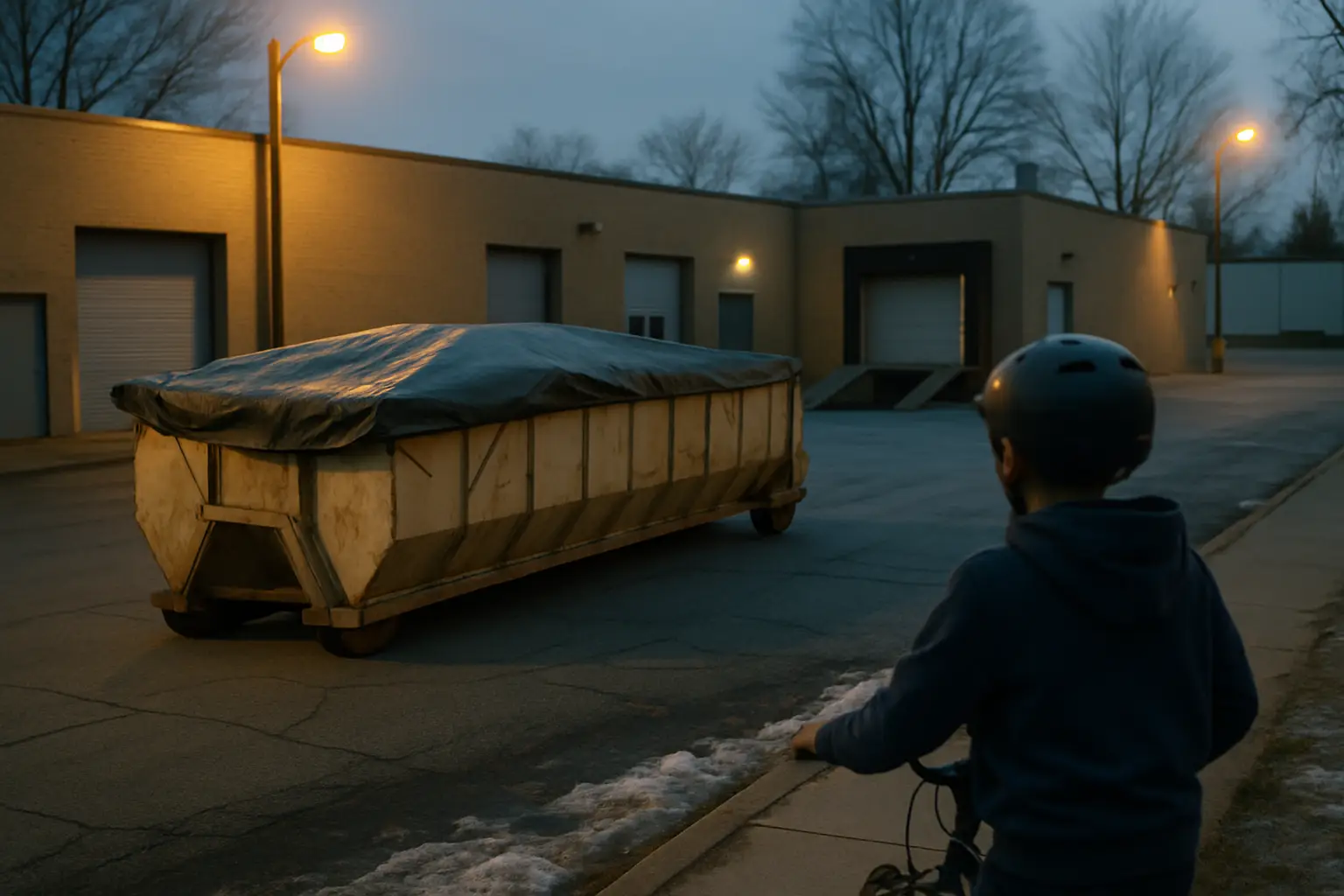
Dumpster Rental in Seattle
Seattle renovation, roofing, and landscaping projects may benefit from keeping disposal equipment on site while material accumulates over several days.
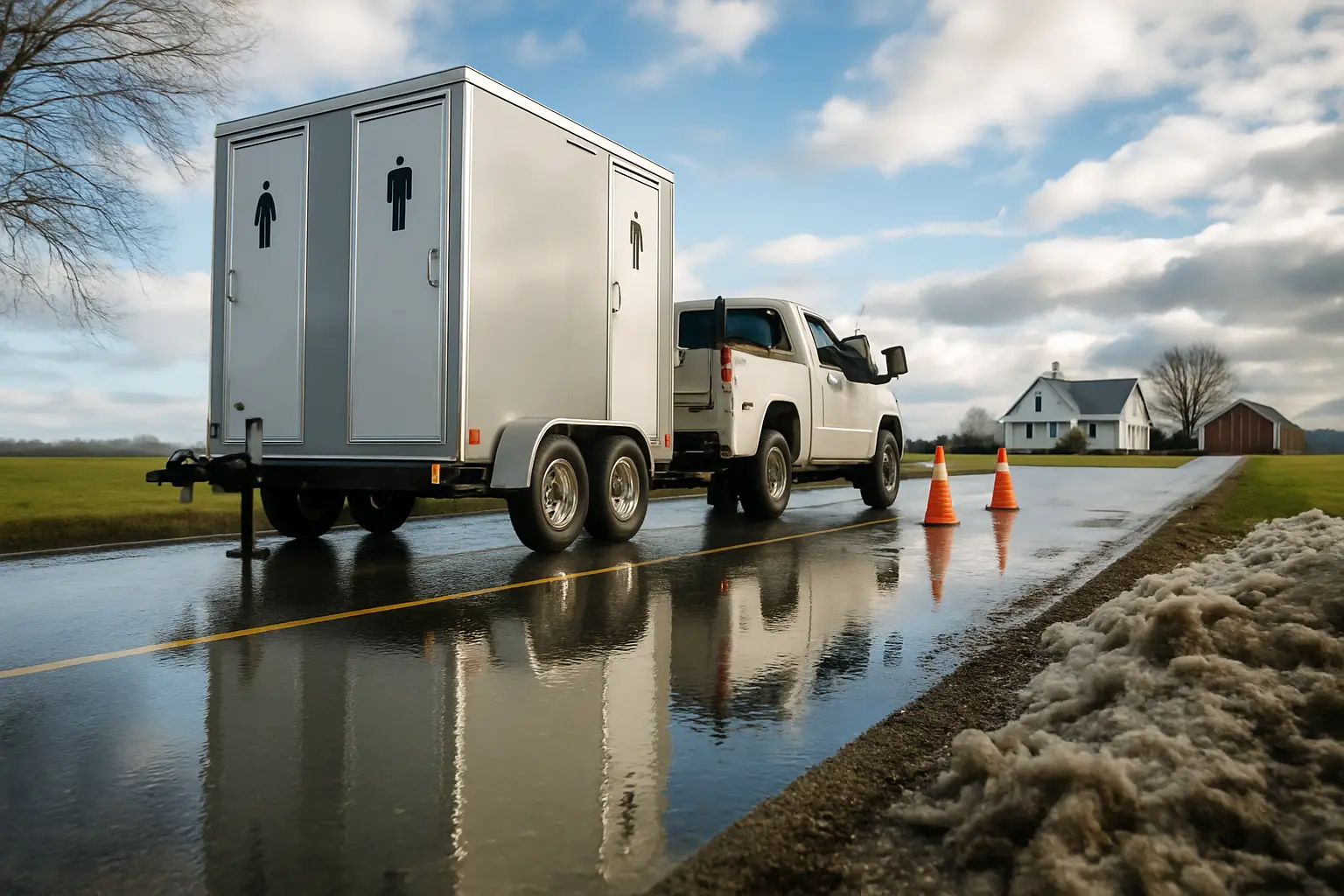
Porta Potty Rental in Seattle
Seattle construction sites, outdoor events, and temporary work areas may need portable restroom service coordinated around access, placement, and site use.
Tell us what needs to leave the property
Have the Seattle address, material list, access details, stairs or elevator information, and any disposal concerns ready when you call. Phoebe Dumpster Rental can then discuss the practical removal route.
Click Here to Call(360) 934-2929Local routes
Junk removal across Seattle neighborhoods
Phoebe Dumpster Rental works throughout Seattle, from older central neighborhoods to hillside homes, waterfront properties, apartment corridors, and commercial districts. Access details matter more than the neighborhood name, so describe the entry, parking, stairs, alley, and material location when scheduling. Service is available 24/7, Monday to Sunday, subject to the practical conditions of the property and the work requested.