- Open 24/7, Monday to Sunday
- 3369 + containers delivered
- Serving King County
Project options
SeaTac dumpster rental for cleanouts and construction
These container uses cover the work most often affected by SeaTac driveways, airport-area traffic, changing commercial parcels, and compact residential lots.
Household Cleanout Dumpsters
For SeaTac garage, attic, rental turnover, and estate cleanouts, choose a placement that leaves tenant parking and narrow driveway access usable.
Home cleanoutsHome Renovation Dumpsters
Kitchen, flooring, and bathroom work in older SeaTac homes can produce bulky mixed debris; keep loading near the work without covering utility access.
Remodel debrisRoofing Debris Dumpsters
Roof replacement near airport corridors needs a container close to the crew while preserving driveway clearance for residents, suppliers, and neighboring properties.
Roofing projectsYard Waste Dumpsters
SeaTac yard work may involve wet branches, sod, and soil-heavy material; describe the load so the container and placement suit the property surface.
Seasonal yard workMoving and Estate Dumpsters
Moves around apartment buildings and older residential streets need loading space planned around parked cars, shared driveways, and building entrances.
Move-out cleanupSame-Day Dumpster Delivery
When a SeaTac project changes suddenly, availability can be discussed 24/7, Monday to Sunday, after access, material, and placement details are confirmed.
Urgent scheduling
SeaTac logistics
SeaTac access changes how dumpsters are placed
SeaTac properties often combine older single-family homes, compact driveways, apartment buildings, airport-adjacent businesses, and active redevelopment. That mix affects the delivery approach. A narrow residential lane may require a different truck angle than a commercial parcel along International Boulevard. Airport traffic can make an otherwise simple entrance difficult during busy periods, while parked vehicles and construction equipment can close off the only usable side of a lot. Phoebe Dumpster Rental reviews the access path and intended placement before the container leaves the yard, so the driver is not guessing at the curb or driveway.
Rain is a regular placement concern around Puget Sound, especially where soil shoulders soften beside paved surfaces. A container should sit on a firm, reasonably level area, not on a drainage strip or over a route needed by tenants and emergency vehicles. SeaTac slopes, older pavement, utility covers, low branches, and tight side yards all deserve a look before delivery. If the container must sit on a public street, town permission may apply. Explain the address, surface, and planned location during the phone call so the placement requirements can be discussed before scheduling.
Commercial redevelopment creates another layer of planning. A roofing crew, retail contractor, or property manager may need the container positioned near a work area without blocking deliveries, customer access, or marked fire lanes. At homes near the airport, noise, traffic, and limited staging space can make loading more orderly when the container is placed close to the work without crowding the driveway. Trucks come from Seattle, and the access review helps match the delivery plan to the actual SeaTac property rather than relying on a generic address assumption.
Before delivery
Prepare the SeaTac placement area first
- Measure the SeaTac driveway width and remove parked vehicles from the planned delivery approach.
- Keep International Boulevard traffic, airport routes, and neighboring driveways separate from the loading area.
- Move branches, signs, and temporary equipment that could limit overhead or side clearance.
- Place debris where SeaTac crews can load safely without crossing tenant entrances or active work zones.
- Describe roofing, concrete, soil, appliances, or other heavy material before selecting the container.
Weather planning
SeaTac weather affects loading and placement
SeaTac rain can turn an unpaved shoulder, lawn edge, or recently disturbed work area into a poor container location. Water also makes cardboard, drywall, and loose debris heavier and harder to handle. A paved driveway is usually the more practical surface, but slope, drainage, overhead branches, and clearance still matter. During wet weather, keep the loading path free of mud and do not allow material to spill around the container. If a project sits beside an airport or commercial corridor, allow extra attention to vehicle movement because traffic conditions can change while the crew is loading. The container should remain accessible without forcing workers into an active lane.
Winter freezes are less predictable than summer rain, and cold snaps can make soft ground firm temporarily before thawing it again. Spring cleanup often brings saturated soil and branches, while summer renovation and roofing work may compete with travel activity and commercial construction around SeaTac. Scheduling depends on a usable placement area, not only the date the debris will be ready. Tell the crew about gates, shared access, parked vehicles, slope, and any work vehicles already on site. Those details help determine whether the container can be delivered safely and loaded without repeated repositioning.
Common questions
What SeaTac customers ask before delivery
How does dumpster rental work in SeaTac?
Dumpster rental in SeaTac starts with the project material, estimated volume, delivery address, and proposed placement. Phoebe Dumpster Rental checks the approach and set-down area before dispatch, then matches a container to the debris. Airport traffic, compact driveways, shared lots, and commercial work zones can affect the plan. Have the address, surface type, access notes, and project dates ready when you call.
Where can a dumpster sit in SeaTac?
A dumpster can usually sit on a firm private driveway or another suitable area with enough truck access, clearance, and room for safe loading. SeaTac properties may have slopes, softened shoulders, shared driveways, or tight parking patterns that rule out an otherwise convenient spot. A container on a public street usually needs town permission first. Identify the exact surface and location before delivery.
What size dumpster do I need for a SeaTac remodel?
For a SeaTac remodel, size depends on the rooms involved, the material being removed, and whether bulky items or heavy debris are included. A small bathroom update may fit a 10 Yard container, while a kitchen renovation or larger home project may need a 20 Yard option. Older homes and compact lots can make loading space more important than expected. Describe the rooms, debris, and driveway access.
Can I get same-day dumpster delivery in SeaTac?
Same-day delivery in SeaTac can be discussed 24/7, Monday to Sunday, but it depends on container availability, truck routing, material, and a workable placement area. Airport traffic, commercial redevelopment, and blocked residential driveways can affect what is practical that day. Have the delivery address, desired location, access restrictions, and debris type ready so the schedule can be evaluated honestly.
What can I put in a SeaTac dumpster?
Common SeaTac dumpster loads include household debris, renovation material, roofing waste, yard debris, and other approved project waste. Concrete, soil, appliances, liquids, hazardous material, and unusually heavy loads may require separate handling or prior approval. Local disposal rules can vary by material and destination. Describe everything planned for the container, especially dense debris, and keep prohibited material out of the load.
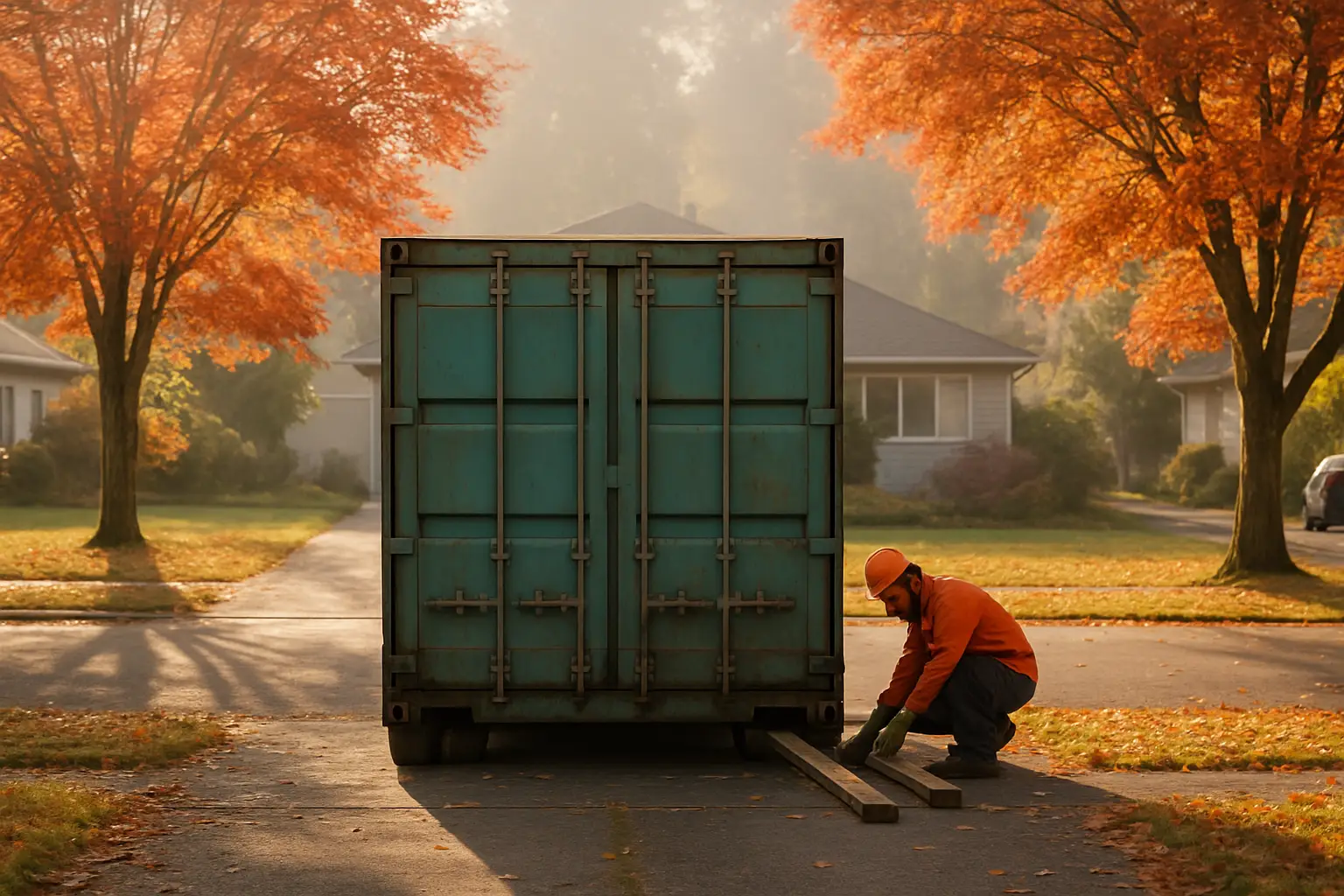
Plan the container around your SeaTac property
Tell Phoebe Dumpster Rental what you are removing, where the container should sit, and what may affect access. Have the address, surface type, project timing, and any airport-area traffic concerns ready for the phone call.
Click Here to Call(360) 934-2929Local service area
Dumpster delivery across SeaTac corridors
Phoebe Dumpster Rental serves SeaTac from Seattle, including residential streets, airport-adjacent properties, commercial redevelopment areas, and shared-access sites. Placement planning is especially useful around International Boulevard, South 188th Street, Pacific Highway South, and the airport business district, where traffic and curb access can change the delivery approach. Share the neighborhood, nearest major road, surface type, and container location so the route and placement can be discussed clearly.